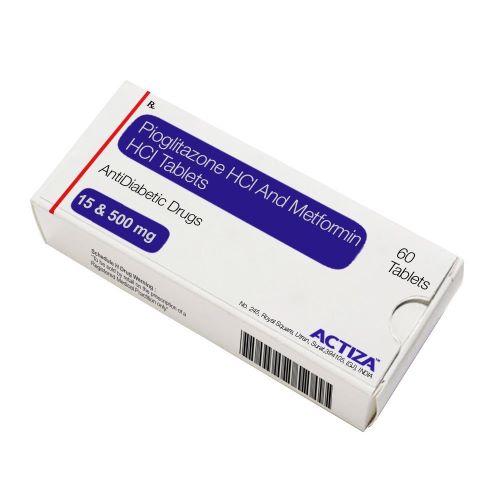
Pioglitazone and Metformin Tablets combine two effective medications used in the management of type 2 diabetes mellitus. Pioglitazone is a thiazolidinedione that helps increase the body’s sensitivity to insulin, while Metformin, a biguanide, works by reducing glucose production in the liver and improving insulin sensitivity. This combination helps lower blood glucose levels and is often prescribed when diet, exercise, and other medications alone are insufficient to control blood sugar. By addressing the root causes of insulin resistance and excess glucose production, this combination therapy provides a more comprehensive approach to managing diabetes and preventing complications related to the condition.
Uses of Pioglitazone and Metformin Tablets
Pioglitazone and Metformin Tablets are primarily used to improve blood sugar control in patients with type 2 diabetes. The combination of Pioglitazone and Metformin works synergistically to reduce blood glucose levels. Pioglitazone increases insulin sensitivity in muscle and fat cells, while Metformin reduces the amount of glucose produced by the liver and enhances insulin action. Together, they help manage blood sugar levels effectively, which is essential in preventing long-term diabetes-related complications like heart disease, kidney damage, and nerve damage. This combination is typically used when monotherapy with either Pioglitazone or Metformin alone is insufficient to control blood glucose. It can also help patients achieve better control over their condition with fewer medications.
Side Effects of Pioglitazone and Metformin Tablets
Common side effects of Pioglitazone and Metformin Tablets may include gastrointestinal issues, such as nausea, vomiting, diarrhea, and abdominal discomfort. These symptoms are more common when starting treatment with Metformin but typically subside over time. Pioglitazone may cause weight gain, fluid retention, and edema (swelling in the legs and ankles). Serious but rare side effects include liver dysfunction, lactic acidosis (a potentially life-threatening condition related to Metformin), and an increased risk of heart failure or bladder cancer with Pioglitazone. Patients should be alert to any signs of liver problems (e.g., yellowing of the skin or eyes) or other unusual symptoms and seek immediate medical attention if they occur.
Drug and Product Interactions
Pioglitazone and Metformin Tablets may interact with a variety of other medications. Drugs that affect kidney or liver function, such as corticosteroids, antibiotics, or antifungal medications, may alter the effectiveness of either Pioglitazone or Metformin. Diuretics, beta-blockers, and certain blood pressure medications can also interfere with how these drugs work. Combining these tablets with insulin or other oral antidiabetic drugs may increase the risk of hypoglycemia (low blood sugar). Patients should avoid excessive alcohol consumption while taking these tablets, as it can increase the risk of side effects such as low blood sugar or lactic acidosis. Always inform your healthcare provider about any other medications or supplements you are taking to avoid harmful interactions.
Warnings and Precautions
Pioglitazone and Metformin Tablets should be used with caution in patients with kidney or liver disease, as these conditions can impact the processing and effectiveness of the medications. Pioglitazone is not recommended for individuals with heart failure or a history of bladder cancer, as it may exacerbate these conditions. Metformin should be used with caution in patients with renal insufficiency or those who are at risk of lactic acidosis, particularly those with severe dehydration or other kidney-related issues. Both medications should be used under close supervision in elderly patients, as they may be at higher risk for side effects such as fluid retention and kidney dysfunction. Pregnant and breastfeeding women should consult their healthcare provider before starting treatment with Pioglitazone and Metformin, as the safety of these medications during pregnancy and lactation has not been fully established.
Conclusion
Pioglitazone and Metformin Tablets provide an effective treatment for managing type 2 diabetes, combining two powerful medications to help control blood sugar levels. By improving insulin sensitivity and reducing glucose production, this combination therapy offers a comprehensive approach to managing diabetes and preventing complications. Regular monitoring of blood glucose levels, kidney function, and liver function is essential to ensure the medication’s safety and efficacy. When used as part of a comprehensive treatment plan that includes diet, exercise, and other lifestyle changes, Pioglitazone and Metformin Tablets can help individuals with type 2 diabetes achieve better control over their condition and improve their quality of life.