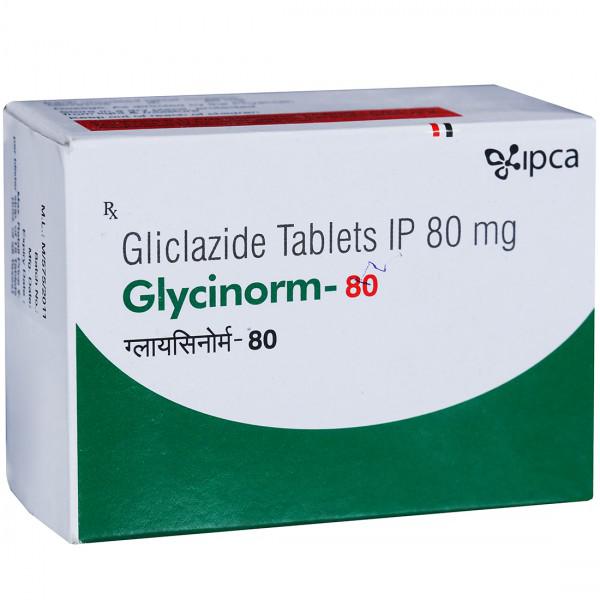
Gliclazide Tablets are an oral medication commonly used to manage type 2 diabetes mellitus. As a member of the sulfonylurea class, Gliclazide works by stimulating the pancreas to release more insulin, thereby helping lower blood glucose levels. This medication is typically prescribed when diet, exercise, and lifestyle changes alone are insufficient to control blood sugar levels. Gliclazide can be used alone or in combination with other diabetes medications to achieve better blood sugar control and help prevent complications related to diabetes, such as heart disease, kidney damage, and nerve problems.
Uses of Gliclazide Tablets
Gliclazide Tablets are primarily used to help lower blood sugar levels in patients with type 2 diabetes. It works by increasing insulin production in the pancreas, enhancing the body's ability to regulate glucose levels. This medication is especially helpful for individuals who struggle to control their blood sugar with diet and exercise alone. Gliclazide may be prescribed as monotherapy (used alone) or in combination with other medications, such as Metformin or Insulin, to provide better overall diabetes management. By effectively lowering blood sugar levels, Gliclazide can reduce the risk of diabetes-related complications and improve overall health outcomes.
Side Effects of Gliclazide Tablets
The most common side effect of Gliclazide Tablets is hypoglycemia (low blood sugar), which can cause symptoms such as dizziness, confusion, sweating, shakiness, and fatigue. This is particularly true if meals are skipped, if the patient engages in excessive physical activity, or if the dosage is not adjusted correctly. Other possible side effects include nausea, vomiting, diarrhea, and weight gain, which are more likely to occur in the initial stages of treatment. Although rare, more serious side effects such as liver dysfunction, allergic reactions, or blood disorders may occur. If any severe symptoms, such as yellowing of the skin or eyes or unusual bruising, occur, medical attention should be sought immediately.
Drug and Product Interactions
Gliclazide can interact with several medications, including other antidiabetic drugs (such as Metformin, Insulin, or other sulfonylureas), which may increase the risk of hypoglycemia. Corticosteroids, diuretics, and beta-blockers can affect how Gliclazide works and may impact blood sugar control. Alcohol consumption should be limited, as it can interfere with the medication’s effectiveness and increase the risk of hypoglycemia. Additionally, certain antibiotics and antifungals may interact with Gliclazide and require adjustments to the treatment plan. Always inform your healthcare provider about all other medications, including over-the-counter drugs and supplements, that you are taking to prevent harmful interactions.
Warnings and Precautions
Gliclazide should be used with caution in individuals with kidney or liver diseases, as these conditions may affect the body’s ability to process the medication. This medication is not recommended for patients with type 1 diabetes or diabetic ketoacidosis, as it is ineffective in these conditions. Patients should be monitored regularly for blood sugar levels, particularly when starting the medication or adjusting the dosage. Careful attention should be given to symptoms of hypoglycemia, and patients should carry a source of fast-acting sugar, such as glucose tablets, in case of an emergency. Gliclazide should be used with caution in pregnant or breastfeeding women, and they should consult their healthcare provider to weigh the benefits and risks of using this medication during pregnancy.
Conclusion
Gliclazide Tablets offer an effective solution for managing type 2 diabetes by stimulating the pancreas to release more insulin and improve blood glucose regulation. When used in conjunction with a healthy lifestyle, including proper diet and exercise, Gliclazide can help prevent complications associated with diabetes, such as heart disease and kidney damage. It is important to regularly monitor blood glucose levels and follow the prescribed dosage to ensure the medication is working effectively. With appropriate medical supervision, Gliclazide can be a key part of a comprehensive diabetes management plan.