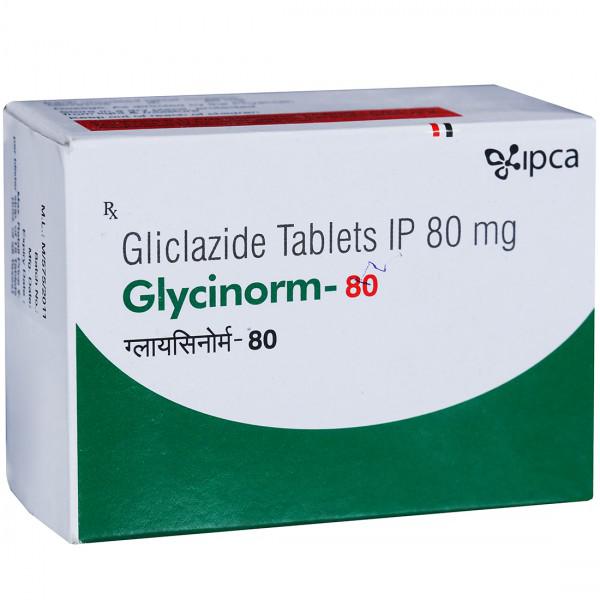
Glibenclamide and Metformin Tablets are a powerful combination therapy used to manage type 2 diabetes mellitus. This medication combines two effective antidiabetic agents—Glibenclamide, a sulfonylurea that increases insulin secretion from the pancreas, and Metformin, a biguanide that improves insulin sensitivity and decreases glucose production in the liver. Together, they work synergistically to control blood sugar levels more effectively than either agent alone. This dual therapy is typically prescribed for patients whose blood glucose levels are not adequately controlled by diet, exercise, or single-drug therapy.
Uses of Glibenclamide and Metformin Tablets
Glibenclamide and Metformin Tablets are prescribed to manage high blood sugar in people with type 2 diabetes. By addressing both insulin deficiency and insulin resistance, this combination helps reduce the risk of long-term diabetes complications such as heart disease, kidney damage, nerve issues, and vision problems. It is usually taken alongside a proper diet and regular exercise program. Doctors may recommend this combination to improve glycemic control in patients who have not responded well to metformin alone or other single-agent oral medications.
Side Effects of Glibenclamide and Metformin Tablets
Common side effects include gastrointestinal disturbances such as nausea, vomiting, abdominal discomfort, diarrhea, and a metallic taste in the mouth, mainly due to the Metformin component. Glibenclamide may cause low blood sugar (hypoglycemia), especially if meals are skipped or after strenuous physical activity. Other potential side effects include headache, dizziness, weight gain, or allergic reactions. Rare but serious side effects include lactic acidosis, a potentially life-threatening condition linked to Metformin, particularly in patients with kidney issues. Prompt medical attention is required for symptoms like muscle pain, difficulty breathing, or unusual tiredness.
Drug and Product Interactions
Glibenclamide and Metformin may interact with various medications including diuretics, corticosteroids, beta-blockers, and other antidiabetic drugs. Alcohol intake can increase the risk of lactic acidosis and hypoglycemia, and should be avoided. Certain antibiotics and heart medications may either potentiate or reduce the glucose-lowering effect of this combination, making blood sugar control more difficult. Always inform your healthcare provider of all medications, vitamins, and supplements you are taking before starting this therapy to minimize the risk of harmful interactions.
Warnings and Precautions
This medication should be used cautiously in patients with kidney or liver impairment, heart conditions, or a history of alcohol abuse. It is not recommended for patients with type 1 diabetes or diabetic ketoacidosis. Routine monitoring of kidney function, blood sugar, and vitamin B12 levels is advised during long-term use. Pregnant or breastfeeding women should consult a doctor before using this combination. Patients should be educated on recognizing the symptoms of hypoglycemia and lactic acidosis and instructed to take the medication exactly as prescribed to ensure safety and effectiveness.
Conclusion
Glibenclamide and Metformin Tablets offer an effective, dual-action approach for managing type 2 diabetes. By improving insulin sensitivity and promoting insulin release, this combination helps maintain stable blood glucose levels and reduces the risk of diabetes-related complications. When used responsibly under the supervision of a healthcare provider, it can significantly enhance blood sugar control and improve long-term health outcomes. Regular follow-ups, blood sugar monitoring, and adherence to a healthy lifestyle are essential to maximize the benefits of this therapy.