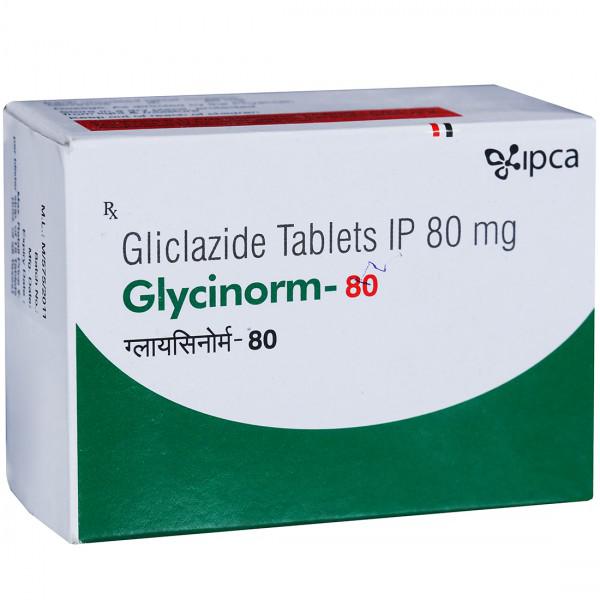
Glipizide Tablets are an oral medication used in the treatment of type 2 diabetes mellitus. As a member of the sulfonylurea class of drugs, Glipizide works by stimulating the pancreas to release more insulin, helping to lower blood glucose levels. This medication is commonly prescribed when blood sugar levels cannot be adequately controlled through diet and exercise alone. Glipizide is most effective when used in conjunction with a healthy lifestyle and may be combined with other diabetes medications to enhance glycemic control.
Uses of Glipizide Tablets
Glipizide Tablets are prescribed to help manage high blood sugar in individuals with type 2 diabetes. By increasing insulin production, Glipizide helps the body utilize glucose more effectively, leading to better blood sugar control. It is typically used when lifestyle changes, such as diet and exercise, are insufficient to keep blood glucose levels in the target range. Glipizide can be used alone or in combination with other medications, such as metformin or insulin, to provide comprehensive diabetes management. It is an essential part of the therapeutic regimen for many people living with diabetes, helping to prevent complications like nerve damage, kidney disease, and cardiovascular problems.
Side Effects of Glipizide Tablets
Common side effects of Glipizide Tablets include hypoglycemia (low blood sugar), which can lead to symptoms such as shakiness, dizziness, confusion, and excessive sweating. Other possible side effects include nausea, vomiting, diarrhea, weight gain, headache, and dizziness. While these side effects are typically mild, it is important for patients to monitor their blood sugar levels regularly to avoid hypoglycemia. In rare cases, more serious side effects can occur, such as allergic reactions or liver problems, which may present as yellowing of the skin or eyes, dark urine, or severe abdominal pain. If any of these symptoms occur, medical attention should be sought immediately.
Drug and Product Interactions
Glipizide can interact with other medications, including other diabetes drugs, certain antibiotics, blood pressure medications, and corticosteroids. These interactions can either increase or decrease the effectiveness of Glipizide or lead to an increased risk of side effects like hypoglycemia. Alcohol can also enhance the risk of low blood sugar, so it should be consumed with caution. It is crucial to inform your healthcare provider about all medications, including over-the-counter drugs and supplements, that you are currently taking to avoid potential drug interactions.
Warnings and Precautions
Glipizide should be used with caution in individuals with kidney or liver disease, as these conditions can affect how the drug is processed in the body. Patients with a history of heart disease, particularly those with a history of heart attacks, should use Glipizide carefully. It is not recommended for use in individuals with type 1 diabetes or diabetic ketoacidosis. Glipizide may cause low blood sugar, so patients should be vigilant in monitoring their blood glucose levels, especially during periods of illness, stress, or changes in diet or exercise. Pregnant and breastfeeding women should consult a doctor before using Glipizide, as the drug may not be suitable during pregnancy or lactation. Regular monitoring of blood glucose and other health markers is essential while on this medication.
Conclusion
Glipizide Tablets offer a reliable and effective solution for managing type 2 diabetes, helping to lower blood sugar levels by stimulating insulin production. With proper use and adherence to prescribed dosages, Glipizide can significantly improve glycemic control and reduce the risk of complications associated with diabetes. It is essential for patients to combine the medication with healthy lifestyle practices, such as a balanced diet and regular exercise, to achieve the best results. As with any medication, it is important to follow medical guidance closely and report any unusual symptoms to your healthcare provider for proper management.