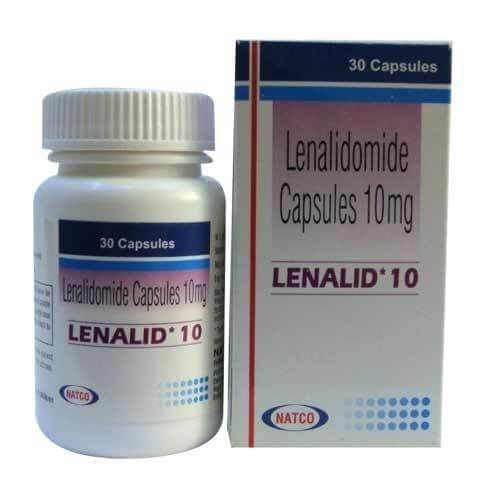
Lenalidomide Tablets are an oral medication primarily used in the treatment of certain types of cancers, such as multiple myeloma and myelodysplastic syndromes (MDS). It is an immunomodulatory drug that works by modifying the immune system and influencing the growth of cancerous cells. Lenalidomide helps to inhibit tumor cell proliferation, enhance immune cell activity, and increase the destruction of abnormal cells. As a result, Lenalidomide is often used in combination with other therapies to improve outcomes in patients with multiple myeloma and other hematological malignancies.
Uses of Lenalidomide Tablets
Lenalidomide is most commonly prescribed for the treatment of multiple myeloma, a cancer that affects plasma cells in the bone marrow. It is typically used in combination with dexamethasone or other chemotherapy agents to induce remission and prolong survival. Lenalidomide is also used in the treatment of myelodysplastic syndromes (MDS), particularly in patients with a specific chromosomal abnormality (5q deletion). Additionally, Lenalidomide has been approved for the treatment of mantle cell lymphoma (MCL) and is sometimes used off-label for other cancers, such as lymphoma and leukemia, based on the clinical judgment of the healthcare provider.
Side Effects of Lenalidomide Tablets
The most common side effects of Lenalidomide include fatigue, nausea, constipation, and diarrhea. Some patients may experience muscle cramps, rash, or swelling in the hands, ankles, or feet. More serious side effects can occur, including bone marrow suppression, which can result in low blood cell counts and increase the risk of infections, anemia, and bleeding. Lenalidomide has also been associated with an increased risk of deep vein thrombosis (DVT) and pulmonary embolism (PE), particularly when used in combination with other medications. Patients should also be monitored for liver function abnormalities, as Lenalidomide may affect the liver in some individuals.
Drug and Food Interactions
Lenalidomide can interact with various medications that affect the immune system, such as immunosuppressive agents, and with anticoagulants, as it may increase the risk of blood clotting complications. It is important to avoid the use of live vaccines during treatment with Lenalidomide, as the drug can suppress the immune system, making the body less able to respond to vaccines. Concomitant use of other drugs that affect blood clotting, such as warfarin or aspirin, should be done with caution. Grapefruit and grapefruit juice should be avoided, as they can interfere with the metabolism of Lenalidomide, potentially leading to higher drug levels in the blood. Always inform your healthcare provider about all medications, supplements, and herbal products you are taking to avoid harmful interactions.
Warnings and Precautions
Lenalidomide should only be used under the supervision of a healthcare provider with experience in managing hematological malignancies. Before starting treatment, patients are required to undergo blood tests to check for pre-existing conditions, such as low blood cell counts or liver abnormalities. Due to the risk of blood clots, patients may be prescribed anticoagulants or require monitoring for signs of thrombosis. Pregnant women should not take Lenalidomide, as it is classified as a Category X medication, meaning it can cause severe birth defects or miscarriage. Women of childbearing age should use effective contraception during treatment and for at least 4 weeks after discontinuing the medication. Lenalidomide is also contraindicated in breastfeeding, as it may be excreted in breast milk and affect the infant. Regular blood tests, including complete blood counts (CBC), liver function tests, and monitoring for signs of infection or bleeding, are crucial during therapy.
Conclusion
Lenalidomide Tablets offer a highly effective treatment option for patients with multiple myeloma, myelodysplastic syndromes, and certain types of lymphoma. Its ability to modulate the immune system and directly target cancerous cells provides a powerful alternative to traditional chemotherapy, with generally fewer side effects. While the medication is associated with risks such as blood clot formation, bone marrow suppression, and liver toxicity, these can typically be managed with appropriate monitoring and dose adjustments. Lenalidomide has significantly improved the prognosis for many patients with hematological cancers, offering a better quality of life and prolonged survival when used under expert medical care.