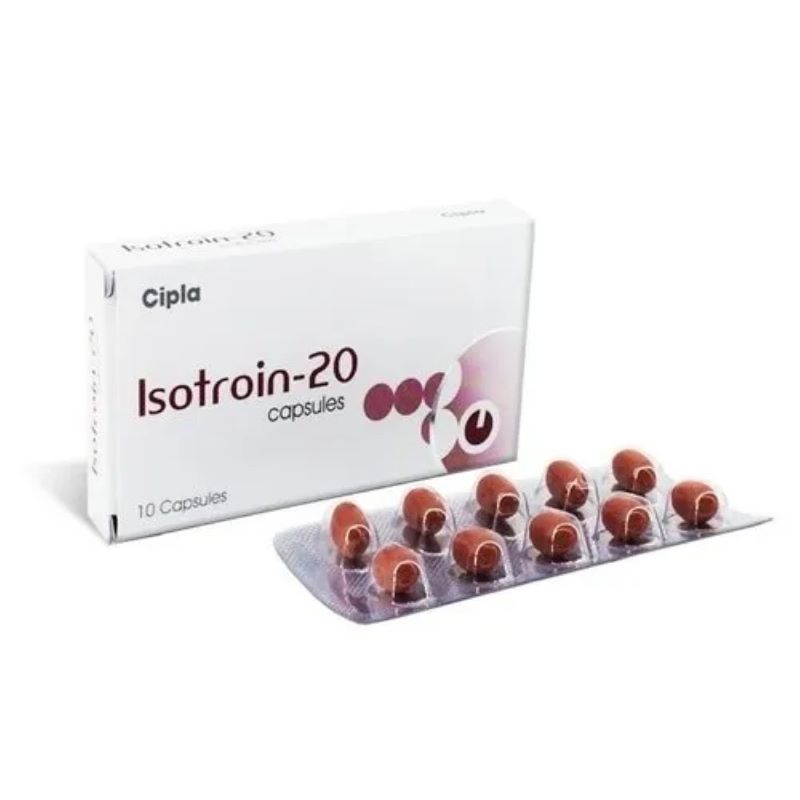
Isotretinoin is a powerful oral retinoid medication primarily used for the treatment of severe acne, particularly cystic acne that has not responded to other treatments. As a derivative of vitamin A, Isotretinoin works by reducing the size and output of sebaceous glands, decreasing oil production in the skin. This helps prevent the formation of acne and can result in long-term improvement in skin clarity and texture. Due to its potency, Isotretinoin is typically reserved for individuals with severe, persistent acne that causes scarring or significantly impacts quality of life.
Uses of Isotretinoin
Isotretinoin is most commonly prescribed for severe acne, especially nodulocystic acne, which is characterized by large, painful cysts and nodules beneath the skin. It is considered one of the most effective treatments for severe, treatment-resistant acne, often leading to long-term or permanent remission. Isotretinoin can also be used for other skin conditions, such as rosacea and some forms of skin cancer, though its use for these indications is less common. Due to its strong effects on oil production, Isotretinoin helps reduce the appearance of acne and significantly improves skin texture and tone.
Side Effects of Isotretinoin
Isotretinoin is a highly effective treatment, but it comes with a risk of several side effects. Common side effects include dry skin, lips, and eyes, as well as nosebleeds, joint pain, and temporary hair thinning. Other side effects may include headache, fatigue, and muscle aches. More serious side effects can occur, including liver damage, elevated cholesterol and triglyceride levels, and psychiatric effects such as depression or mood swings. Due to its potent teratogenicity (ability to cause birth defects), Isotretinoin is contraindicated during pregnancy and is prescribed with strict monitoring and counseling.
Drug and Product Interactions
Isotretinoin can interact with several other medications, especially those that affect liver function, as the drug is metabolized in the liver. Concomitant use with tetracycline antibiotics, such as doxycycline or minocycline, can increase the risk of intracranial hypertension (increased pressure inside the skull). Alcohol should be consumed in moderation, as it can exacerbate liver strain when combined with Isotretinoin. It is also important to avoid other medications that can increase the risk of bleeding, such as blood thinners. Patients should inform their healthcare provider of all medications, including over-the-counter supplements, to prevent potential interactions.
Warnings and Precautions
Isotretinoin has several important warnings and precautions. The most critical concern is its teratogenicity; the medication can cause severe birth defects, and women who are pregnant or planning to become pregnant should avoid Isotretinoin entirely. Due to this, women of childbearing age are required to follow strict birth control protocols before, during, and after treatment. Regular monitoring of liver function, cholesterol levels, and mental health is recommended during treatment. Patients should avoid sun exposure and use sunscreen regularly, as Isotretinoin can increase skin sensitivity to sunlight. It is also essential to avoid waxing or other aggressive hair removal techniques while using the medication, as the skin can become more fragile.
Conclusion
Isotretinoin is a highly effective treatment for severe acne that has not responded to other therapies. By addressing the root causes of acne, including excess oil production and clogged pores, Isotretinoin can provide long-term or permanent relief from severe acne. While it offers significant benefits, Isotretinoin should only be used under close medical supervision due to its potential side effects and strict safety guidelines, especially for women of childbearing age. With appropriate monitoring and adherence to guidelines, Isotretinoin can be a life-changing solution for individuals suffering from persistent acne.