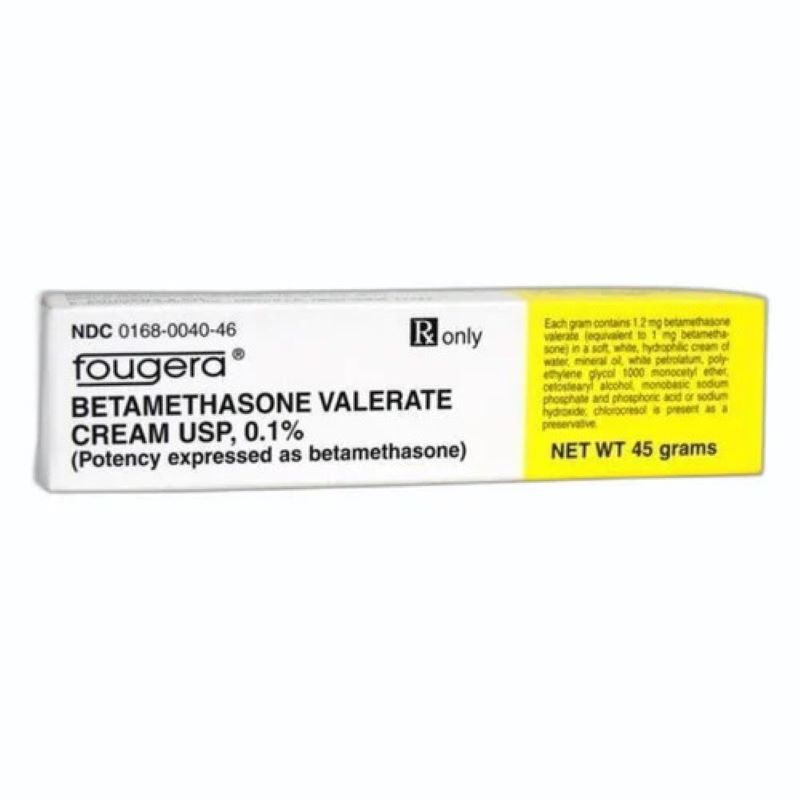
Tretinoin Cream is a topical prescription medication widely used in dermatology to treat acne, reduce the appearance of fine lines and wrinkles, and improve skin texture and tone. A derivative of vitamin A, Tretinoin belongs to the class of retinoids and works by accelerating skin cell turnover, which helps unclog pores, smooth rough skin, and stimulate collagen production. It is considered one of the most effective topical treatments for acne and photoaged skin, making it a staple in both therapeutic and cosmetic skincare routines.
Uses of Tretinoin Cream
Tretinoin Cream is primarily used for the treatment of acne vulgaris, helping to prevent the formation of new pimples and promoting clearer skin over time. It is also frequently prescribed for minimizing signs of aging, such as fine wrinkles, hyperpigmentation, and rough patches caused by sun damage. By increasing cell regeneration, Tretinoin enhances skin renewal, which can result in a brighter, more even complexion. Some formulations are also used in the management of keratosis pilaris and other skin conditions marked by abnormal keratinization.
Side Effects of Tretinoin Cream
While Tretinoin is highly effective, it can cause temporary side effects as the skin adjusts. Common reactions include redness, dryness, peeling, burning, and increased sensitivity to sunlight, particularly during the first few weeks of treatment. Some individuals may experience worsening acne before improvement begins—a phase known as "purging." Serious allergic reactions are rare but may include swelling, itching, or severe irritation. Using a moisturizer and applying Tretinoin as directed—usually at night—can help minimize discomfort and enhance tolerability.
Drug and Product Interactions
Tretinoin may interact with other topical medications and skincare products, especially those containing benzoyl peroxide, salicylic acid, sulfur, or alcohol, which can increase irritation. It is best to avoid combining harsh exfoliants or astringents while using Tretinoin unless specifically directed by a dermatologist. Products with high SPF are strongly recommended, as Tretinoin increases skin sensitivity to UV radiation. If you are using other acne treatments, always inform your doctor to prevent overlapping effects or skin damage.
Warnings and Precautions
Tretinoin Cream is not recommended for use during pregnancy due to potential risks to the fetus, and caution should be used during breastfeeding. Patients with eczema or very sensitive skin should consult a healthcare provider before starting treatment. Sun exposure, tanning beds, and harsh weather should be minimized while using Tretinoin, and protective clothing or broad-spectrum sunscreen is essential. It is also important to apply Tretinoin only to clean, dry skin and avoid contact with eyes, mouth, or mucous membranes. Adherence to your healthcare provider’s instructions is critical to achieving optimal results safely.
Conclusion
Tretinoin Cream is a powerful and clinically proven topical treatment for acne and photoaged skin, offering transformative benefits when used consistently and correctly. With its ability to promote skin renewal, reduce breakouts, and visibly improve texture and tone, Tretinoin remains a gold standard in dermatological care. Whether used for therapeutic or cosmetic purposes, it should be part of a carefully managed skincare regimen under professional guidance to maximize results while minimizing side effects.