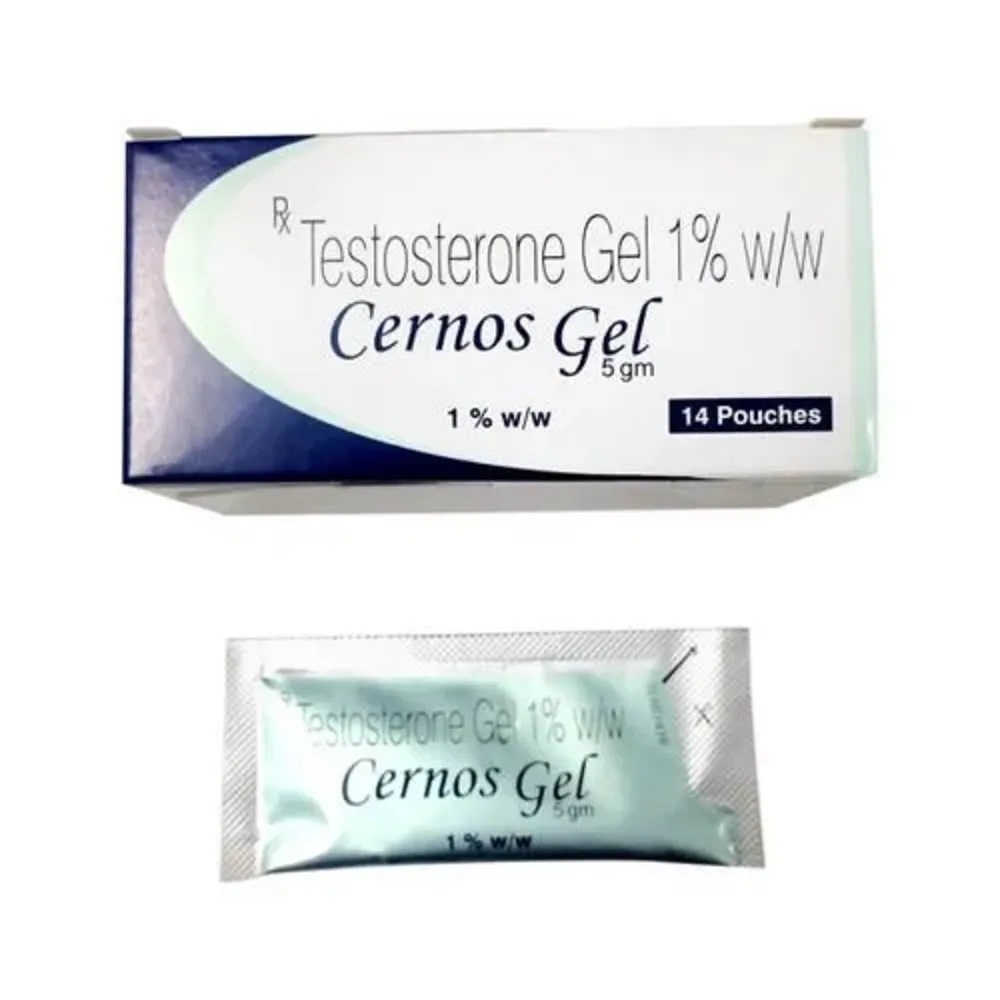
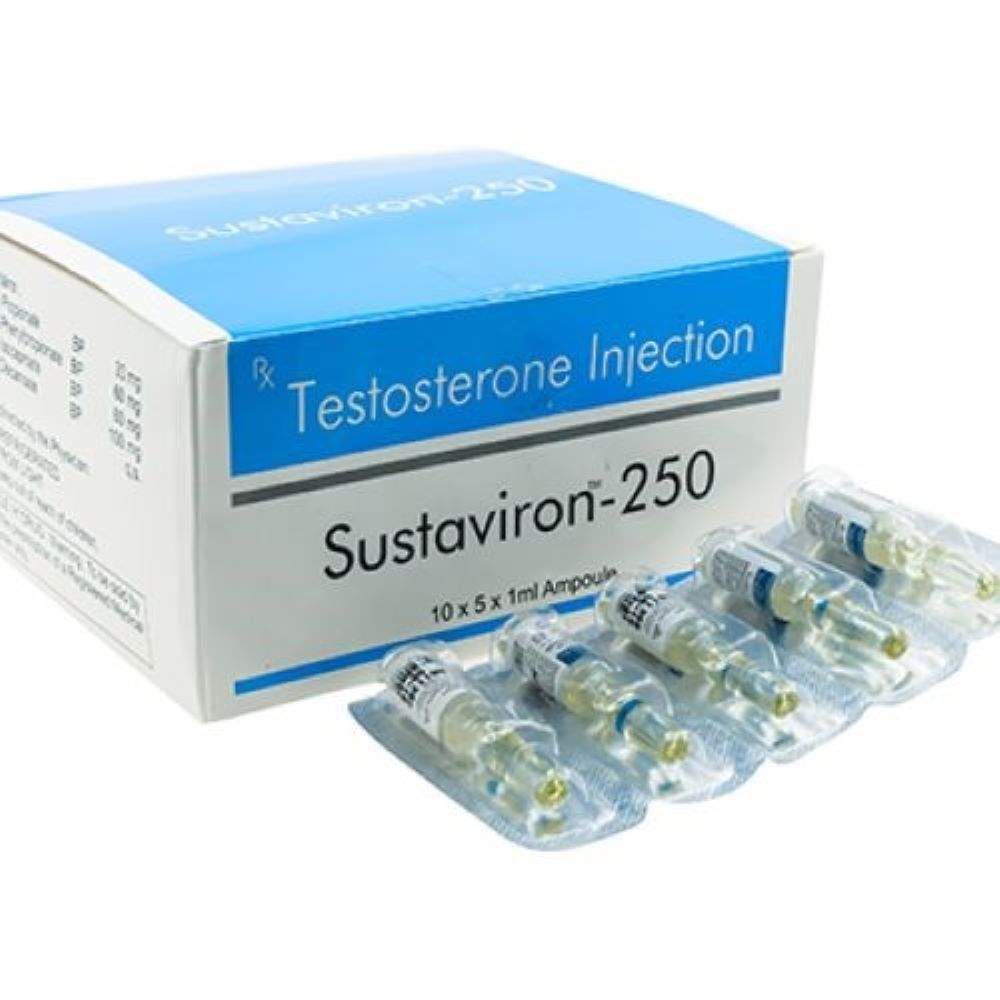
Testosterone Gel is a popular topical treatment designed to help men with low testosterone levels, also known as hypogonadism. This transdermal therapy delivers testosterone directly through the skin into the bloodstream, helping restore normal hormone levels effectively and conveniently. Testosterone Gel is widely prescribed for its ease of use, consistent hormone delivery, and ability to improve symptoms such as low libido, fatigue, depression, and reduced muscle mass. It provides an important alternative to injectable or oral testosterone treatments and is preferred by many for its simple daily application and steady absorption.
Uses of Testosterone Gel
Testosterone Gel is used primarily to treat men who are unable to produce enough natural testosterone due to medical conditions like primary or secondary hypogonadism. Restoring healthy testosterone levels can lead to improvements in Physical function, mood, energy levels, muscle strength, bone density, and overall quality of life. Some athletes and bodybuilders also use Testosterone Gel off-label to maintain hormone levels during post-cycle therapy, although such use should always be medically supervised. The gel is applied once daily to clean, dry skin on areas such as the shoulders, upper arms, or abdomen to ensure optimal absorption.
Side Effects of Testosterone Gel
While Testosterone Gel is generally well tolerated, it can cause side effects. Common side effects include skin irritation at the application site, such as redness, itching, or rash. Systemic side effects can include increased red blood cell count, acne, hair loss, mood swings, and changes in libido. Testosterone can also aromatize into estrogen, potentially causing gynecomastia or fluid retention. More serious risks include elevated blood pressure, changes in cholesterol levels, and an increased risk of cardiovascular events such as heart attack or stroke. In rare cases, Testosterone Gel can affect the prostate, leading to enlargement or aggravating pre-existing prostate cancer.
Drug and Food Interactions
Testosterone Gel can interact with certain medications, which may affect its effectiveness or increase the risk of side effects. It may enhance the effects of blood thinners like warfarin, requiring close monitoring of blood clotting parameters. Caution is needed when used alongside corticosteroids or other medications that can affect liver function or fluid balance. Alcohol consumption should be moderated, as it may worsen liver strain and impact hormone levels. It is important to inform your healthcare provider of all current medications, including supplements and herbal products, to prevent harmful interactions.
Warnings and Precautions
Before starting Testosterone Gel therapy, a thorough medical evaluation is necessary to rule out underlying conditions such as prostate cancer or serious heart, liver, or kidney disease. Men with breast cancer or known hypersensitivity to testosterone should not use this medication. The gel can transfer to others through skin contact, which can cause serious side effects in women and children, making it important to cover application areas with clothing after the gel dries and to wash hands thoroughly after use. Regular monitoring of testosterone levels, hematocrit, liver function, and prostate health is essential during therapy. Testosterone Gel should never be used without a prescription, as improper use can result in significant health risks.
Conclusion
Testosterone Gel offers a convenient and effective solution for men suffering from low testosterone levels, helping restore vitality, Physical health, and physical performance. Its steady delivery system ensures consistent hormone levels with minimal fluctuations, improving both symptoms and quality of life. However, like any hormone therapy, responsible use under medical supervision is crucial to minimize risks and achieve the best possible outcomes. With proper monitoring and adherence to guidelines, Testosterone Gel can be a safe and powerful option for managing testosterone deficiency.