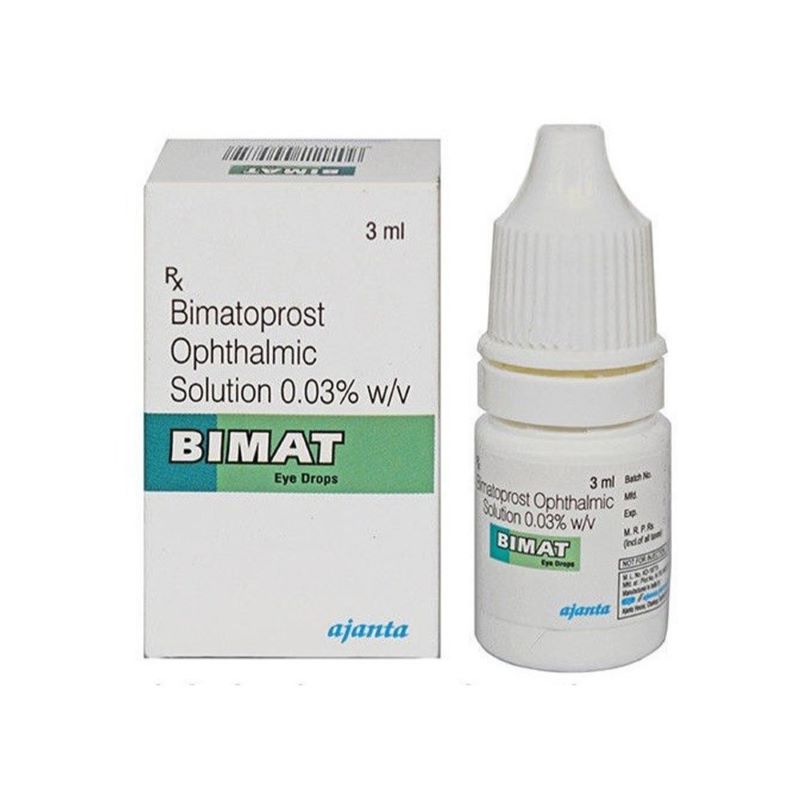
Bimatoprost Eye Drop is a prescription medication primarily used to reduce intraocular pressure (IOP) in individuals with open-angle glaucoma or ocular hypertension. By increasing the outflow of aqueous humor, Bimatoprost effectively lowers eye pressure, helping to prevent optic nerve damage and potential vision loss. In addition to its medical use, Bimatoprost is also widely known for its cosmetic application in promoting longer, thicker, and darker eyelashes. It is commonly marketed under brands like Lumigan and is trusted by ophthalmologists and dermatologists alike for its dual-purpose efficacy.
Uses of Bimatoprost Eye Drop
Bimatoprost Eye Drop is mainly prescribed to manage elevated intraocular pressure associated with glaucoma and ocular hypertension. By lowering eye pressure, it helps reduce the risk of damage to the optic nerve and loss of vision. It is also used cosmetically to treat hypotrichosis of the eyelashes, a condition where eyelashes are sparse or thin. When applied to the base of the upper eyelashes, Bimatoprost can stimulate growth over time, leading to fuller and more prominent lashes. Whether used for eye health or cosmetic purposes, Bimatoprost delivers noticeable, clinically supported results.
Side Effects of Bimatoprost Eye Drop
While Bimatoprost is generally well tolerated, it may cause some side effects. Common ocular side effects include eye redness, itching, dryness, and a feeling of something in the eye. Some users may experience changes in eye color, typically a gradual darkening of the iris, particularly in those with mixed-color eyes. Eyelid skin darkening and increased pigmentation around the eyes are also reported, especially with prolonged use. Rare but serious side effects can include visual disturbances, eye pain, or signs of infection. If any severe reactions occur, discontinue use and consult a healthcare provider immediately.
Drug and Food Interactions
Bimatoprost does not typically interact with food but may have potential interactions with other ophthalmic medications, especially those used for treating glaucoma. When using more than one type of eye drop, it is recommended to wait at least five minutes between applications to prevent dilution or interference. Bimatoprost may interact with medications that affect fluid balance or eye pressure, so always inform your doctor about all the eye or systemic medications you are taking. There are no known significant dietary interactions, but it is always wise to follow your doctor’s guidance when combining treatments.
Warnings and Precautions
Before using Bimatoprost Eye Drop, inform your doctor if you have any eye conditions, history of eye surgery, or systemic health issues such as liver or kidney disease. Individuals with a history of uveitis or macular edema should use this medication with caution. Avoid touching the dropper tip to any surface, including your eye, to prevent contamination. Bimatoprost is not recommended for use during pregnancy or while breastfeeding unless specifically advised by a doctor. The cosmetic use for eyelash growth should be done carefully to avoid getting the product into the eye or on unintended areas, which may lead to unwanted hair growth.
Conclusion
Bimatoprost Eye Drop is an effective and reliable treatment for managing glaucoma-related eye pressure and enhancing eyelash growth. With its proven ability to reduce intraocular pressure and its cosmetic benefits for lashes, it serves both medical and aesthetic needs. As with any prescription medication, it is essential to use Bimatoprost exactly as directed and under medical supervision. With consistent and correct application, users can experience significant improvements in eye health and appearance, making Bimatoprost a versatile and trusted choice in ophthalmic care.